人工种植牙邻接触丧失应对策略的专家共识
宋光保, 蒋欣泉, 万乾炳, 黄翠, 李彦, 顾新华, 吴哲, 汪振华, 李鸿波, 邵龙泉, 刘洪臣
口腔疾病防治 ›› 2024, Vol. 32 ›› Issue (7) : 485 -493.
人工种植牙邻接触丧失应对策略的专家共识
宋光保, 蒋欣泉, 万乾炳, 黄翠, 李彦, 顾新华, 吴哲, 汪振华, 李鸿波, 邵龙泉, 刘洪臣
口腔疾病防治 ›› 2024, Vol. 32 ›› Issue (7) : 485 -493.
人工种植牙邻接触丧失应对策略的专家共识
Expert consensus on strategies to correct proximal contact loss between implant prostheses and the adjacent natural teeth
人工种植牙邻接触丧失(proximal contact loss,PCL)所引发的问题是近年研究热点,学者们一致致力于其原因和相关因素分析,旨在寻求解决与PCL相关问题的方案。前驱力作用、颌骨及牙槽窝等终身改建以及种植牙的骨整合特性是PCL的主要原因。一方面,下颌的闭口运动通过后牙牙尖产生了将牙齿往近中移位的前驱力,使上下颌后牙、下颌前牙近中漂移,同时,可使上下颌前牙唇向移位;另一方面,颌骨、牙槽窝、牙根的改建以及咀嚼肌的前向水平分力、下颌向前向上的动力分量以及牙尖斜面产生的向前分力使天然牙向近中漂移;此外,天然牙终身具备水平、垂直向移位以及旋转的能力,以适应口颌系统的改建和维持口腔的功能,而种植牙骨整合缺乏天然的牙周膜,缺乏近中漂移生理基础,垂直向平均动度微小,种植牙骨整合沉默性不具备天然牙整体漂移特点,增加了PCL发生的可能性。PCL高发生率与戴牙时间和近中位置有明显相关性,但也受咬合力大小、对颌牙状况、邻牙情况、修复方式、牙位、上下颌骨、年龄、性别等因素影响。PCL与食物嵌塞呈显著相关性,但并不一一对应,不满足充分必要条件。PCL也与种植体周病变以及龋齿等有关。PCL的预防包括知情同意、定期检查、固位方式选择、接触点增强、配戴保持器以及应用多用途数字化牙冠。PCL的处理包括邻接触点增补、正畸牵引以及咬合调整。现有方法可以短期解决食物嵌塞情况,综合干预以寻求稳定的远期效果。对称、平衡的考量将拓展处理有关PCL引发的问题。
The problems caused by proximal contact loss (PCL) of dental implants have been a mainstream research topic in recent years, and scholars are unanimously committed to analyzing their causes and related factors, aiming to identify solutions to the problems related to PCL. The effects of the anterior component of force (ACF), the lifelong remolding of the adult craniofacial jaw and alveolar socket, and the osseointegration characteristics of dental implants are the main causes of PCL. On the one hand, the closing movement of the mandible causes the ACF of the tooth to move through the posterior molar cusp. Moreover, drifting between the upper and lower posterior teeth and mandibular anterior teeth can cause the anterior teeth of the upper and lower jaws to be displaced labially. On the other hand, reconstruction of the jaw, alveolar socket and tooth root, the forward horizontal force of the masticatory muscles, the dynamic component of the jaw and the forward force generated by the oblique plane of the tooth cusp can cause the natural tooth to experience near-middle drift. Additionally, natural teeth can shift horizontally and vertically and rotate to accommodate remodeling of the stomatognathic system and maintain oral function. Nevertheless, the lack of a natural periodontal membrane during implant osseointegration, the lack of a physiological basis for near-medium drift, the small average degree of vertical motion and the integrated silence of dental implants without the overall drift characteristics of natural teeth increases the probability of PCL. The high incidence of PCL is clearly associated with the duration of prosthesis delivery and the mesial position; but it is also affected by the magnitude of the bite force, occlusion, the adjacent teeth, restoration design, implant location, jaw, and patient age and sex. PCL has shown a significant correlation with food impaction, but not a one-to-one correspondence, and did not meet the necessary and sufficient conditions. PCL is also associated with peri-implant lesions as well as dental caries. PCL prevention included informed consent, regular examinations, selection of retention options, point of contact enhancement, occlusal splints, and the application of multipurpose digital crowns. Management of the PCL includes adjacent contact point additions, orthodontic traction, and occlusal adjustment. Existing methods can solve the problem of food impaction in the short term with comprehensive intervention to seek stable, long-term effects. Symmetric and balanced considerations will expand the treatment of issues caused by PCL.
牙种植 / 种植修复体 / 邻接触 / 邻接触丧失 / 近中漂移 / 食物嵌塞 / 邻接天然牙 / 种植并发症
dental implants / implant prosthesis / interproximal contact / proximal contact loss / mesial side shift / food impaction / adjacent teeth / implant complication
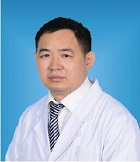 |
宋光保,主任医师,博士,Email:1051607058@qq.com,现任职于南方医科大学口腔医院特诊中心,主任医师,1998年毕业于上海第二医科大学,获口腔医学博士学位,兼任中华口腔医学会修复专业委员会常务委员,广东省口腔医学会修复专业委员会常务委员,广东省口腔医学会种植专业委员会委员,广东省公共外交协会常务理事;从事口腔种植修复临床与相关研究工作29年,积累了丰富的临床经验,对种植修复后食物嵌塞的发生机制及临床处置有着深刻的理解与造诣;已在国内外公开发表学术论文120余篇,主编和主译学术专著4部,参编3部,获国家发明专利5项。获评首届羊城好医生,羊城医德医风高尚奖。 |
/
| 〈 |
|
〉 |
 京公网安备11010202008535号
 PDF
(1900KB)
PDF
(1900KB)






